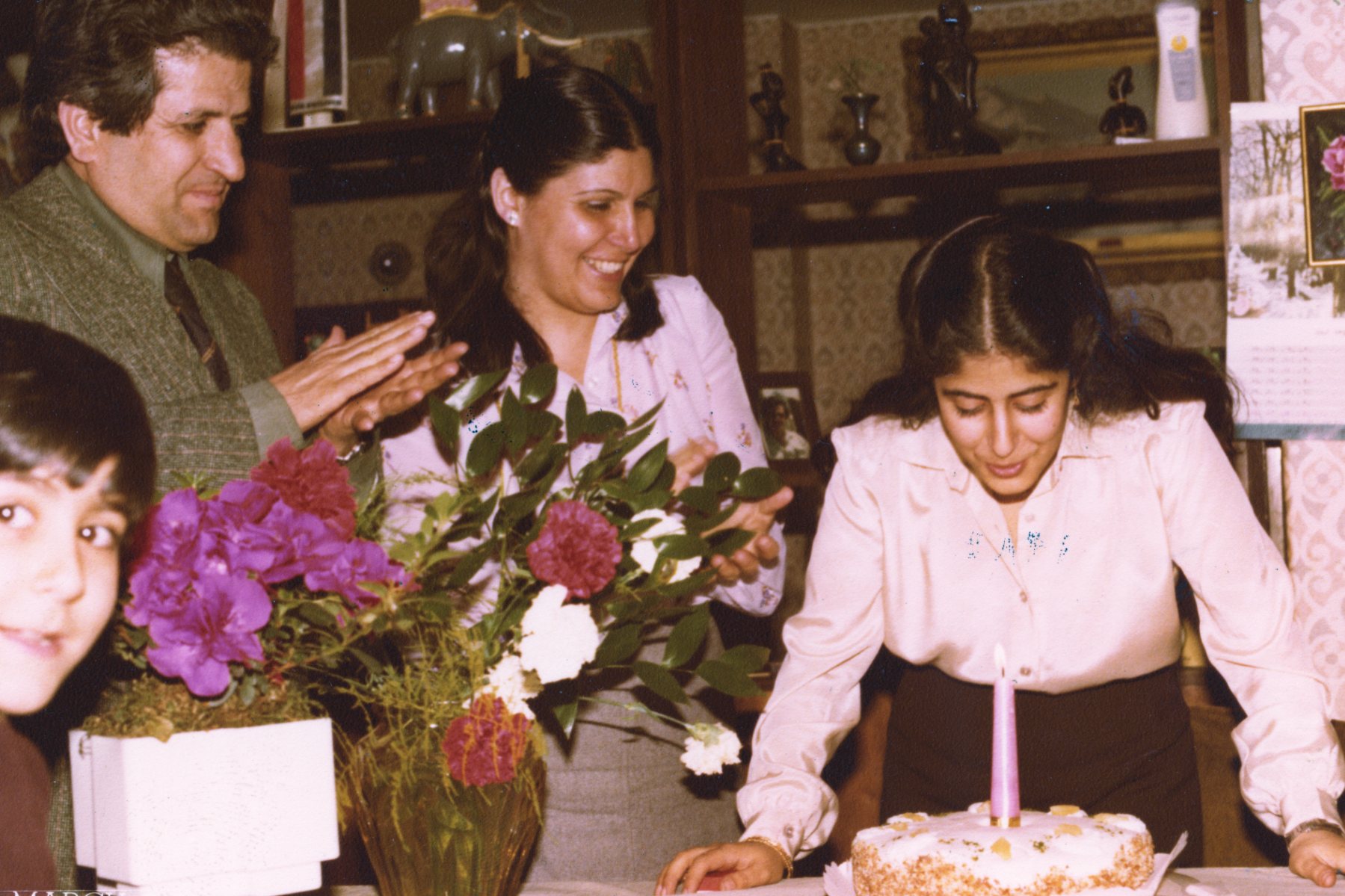
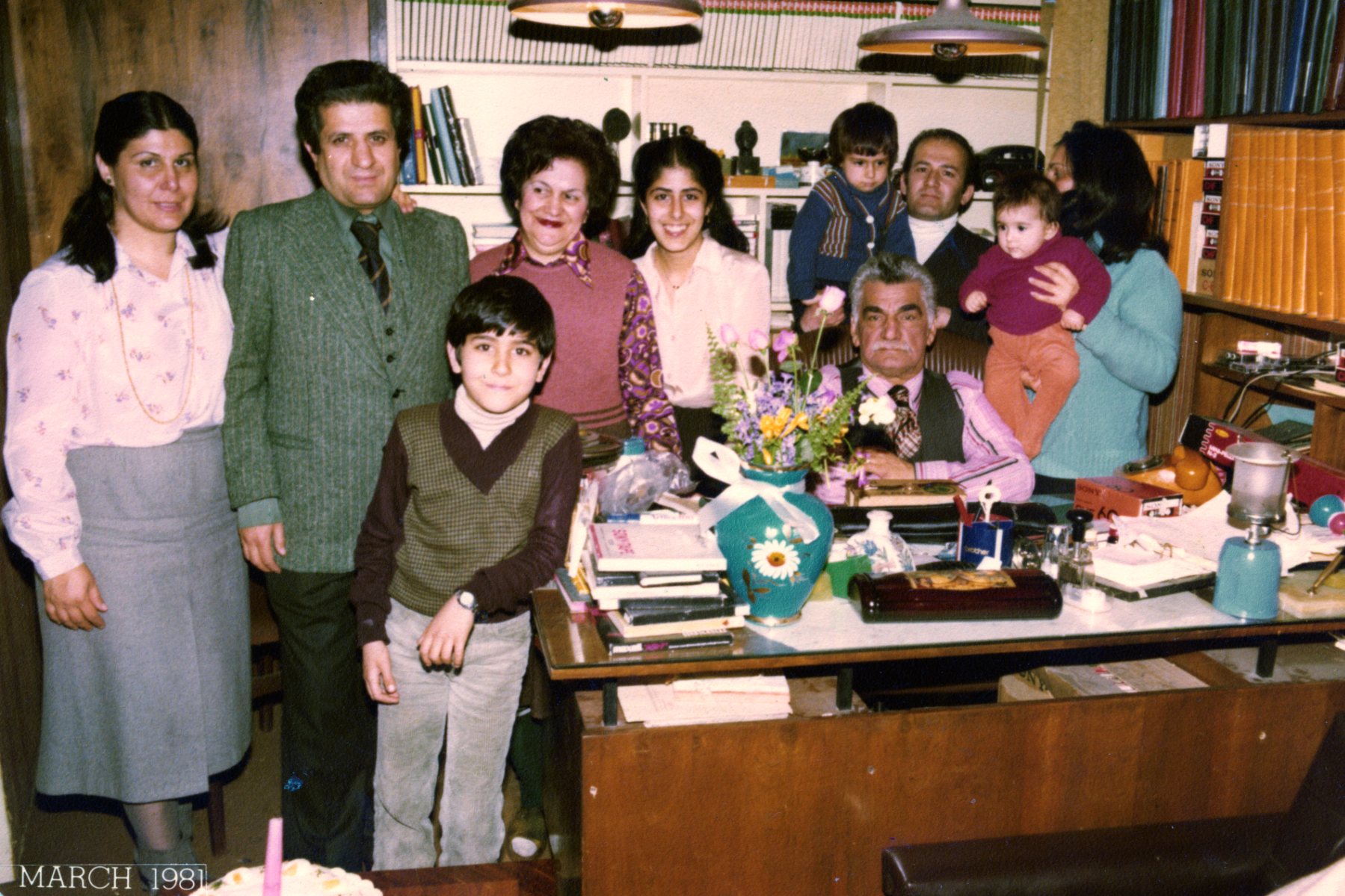
Zhinus MAHMOUDI
Zhinus Mahmoudi
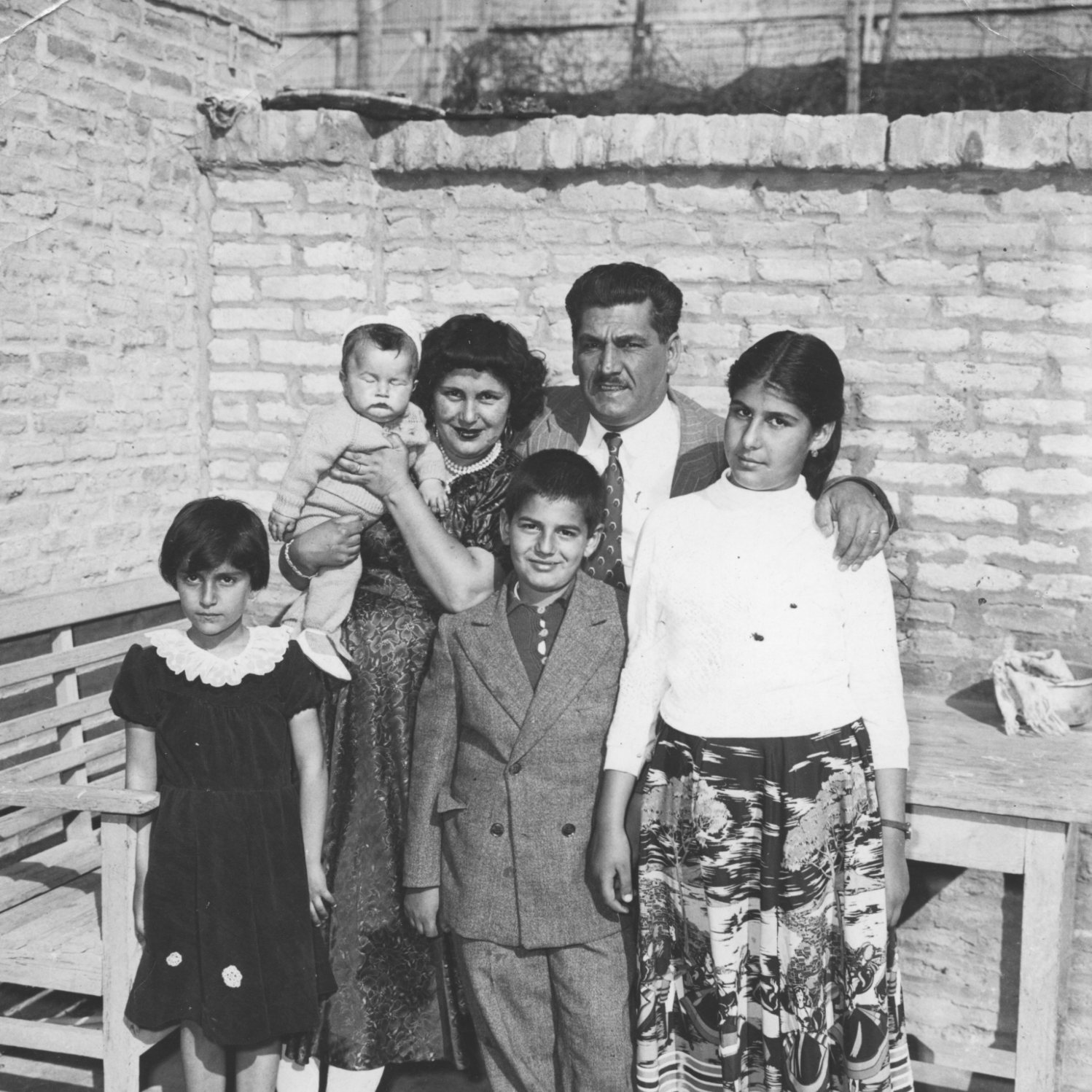
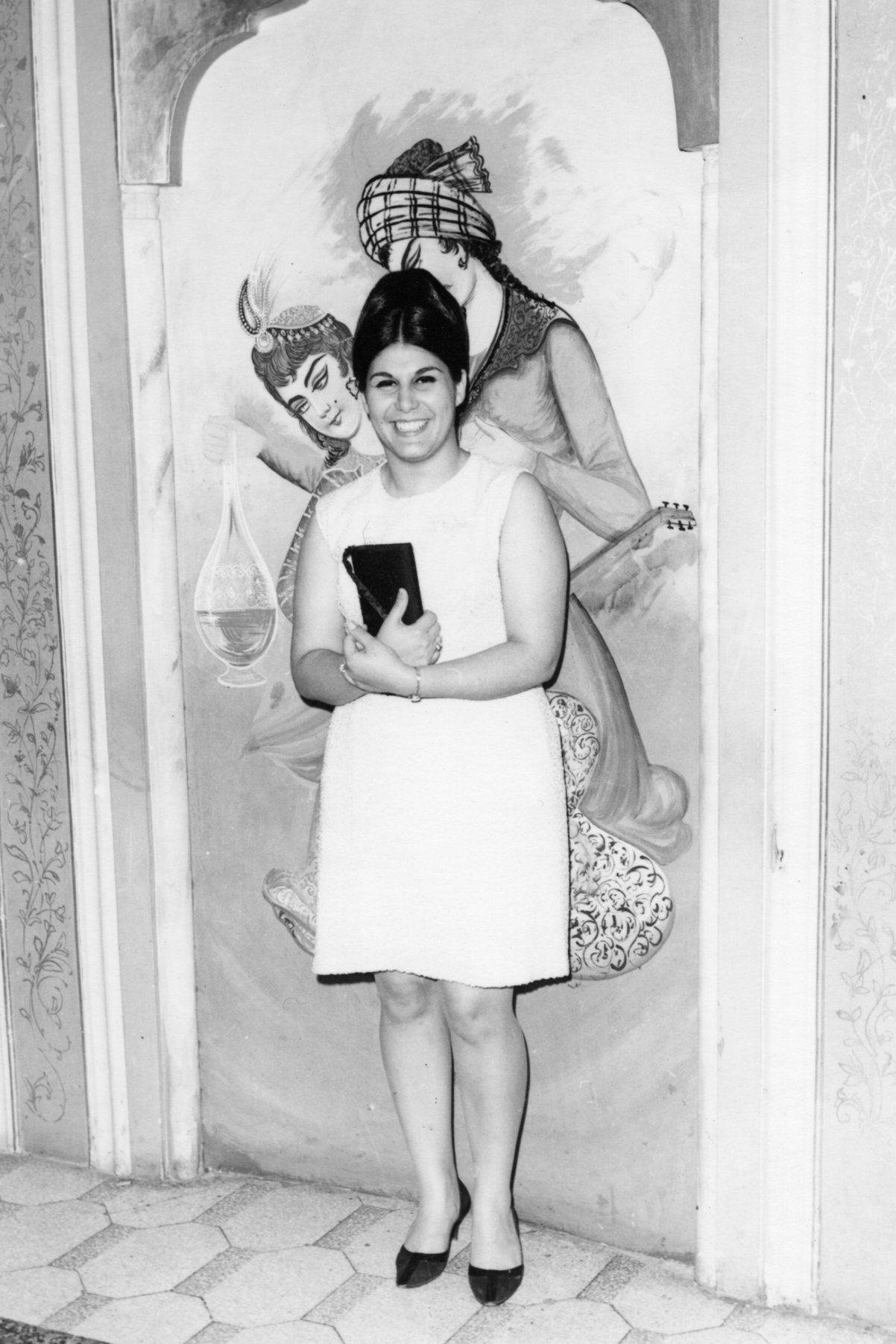
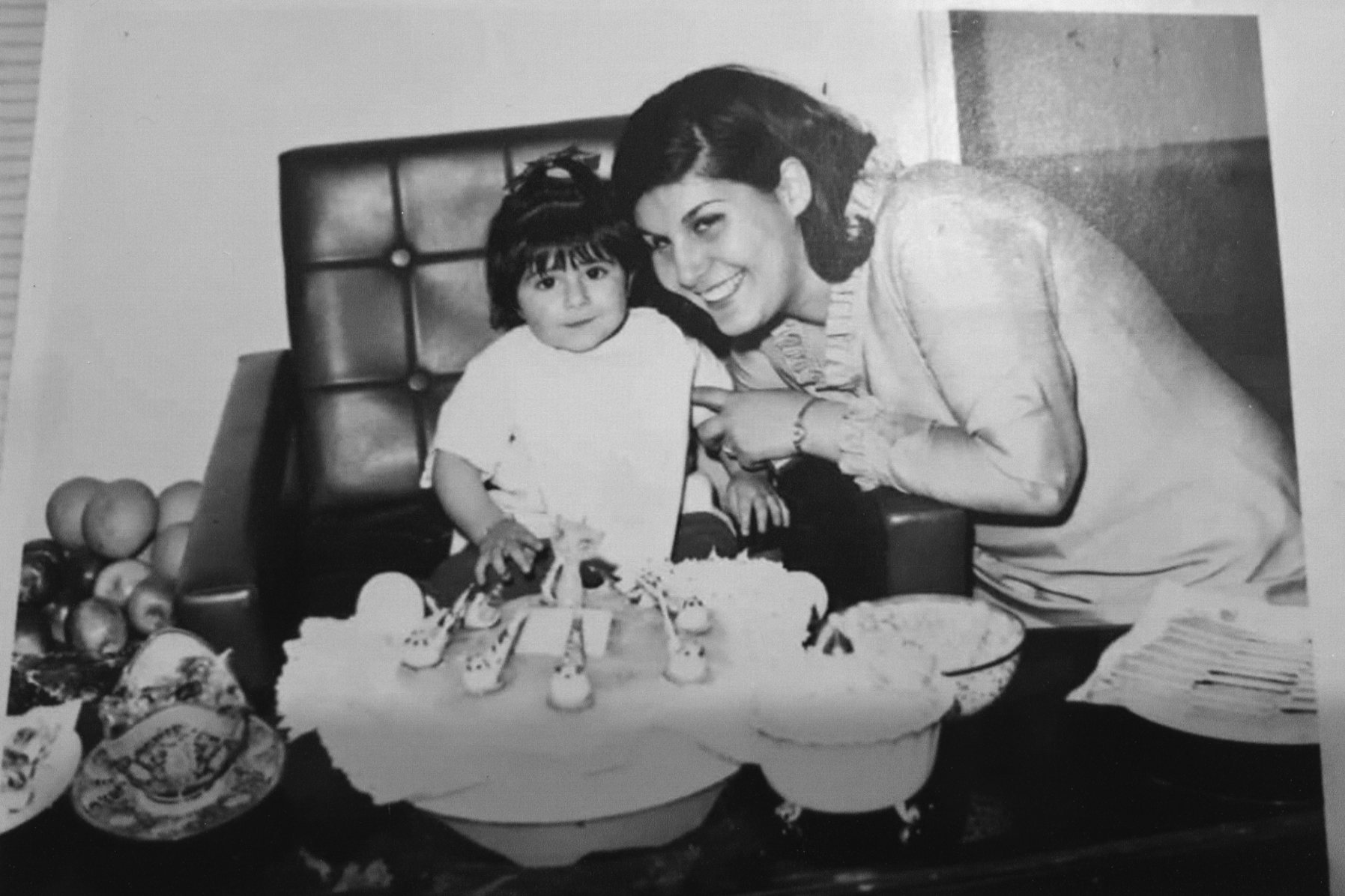
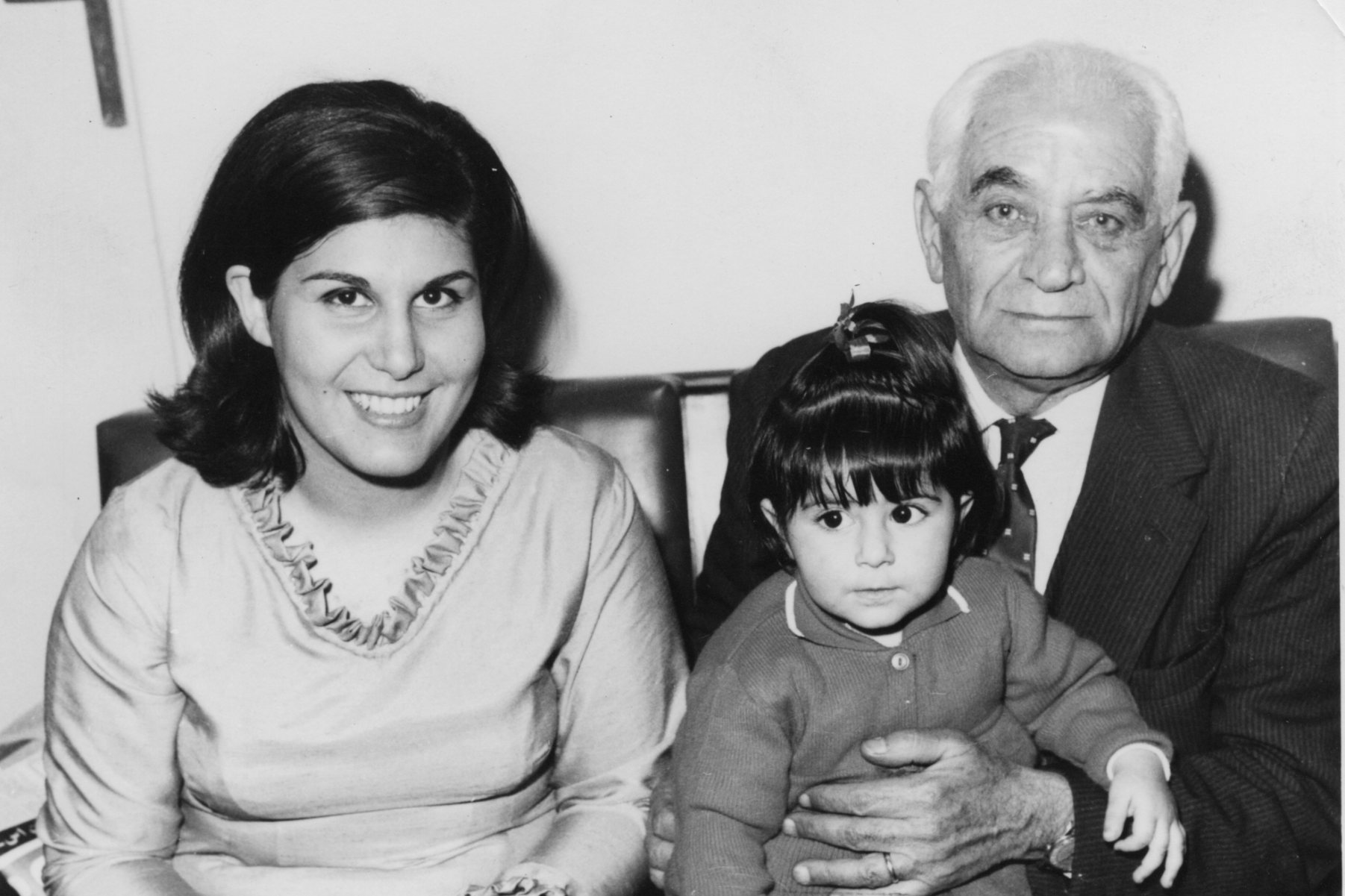
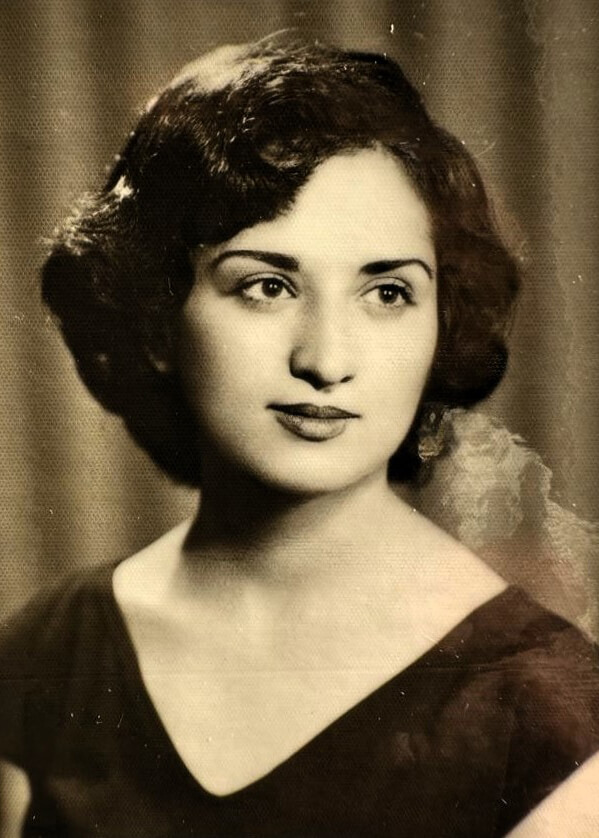
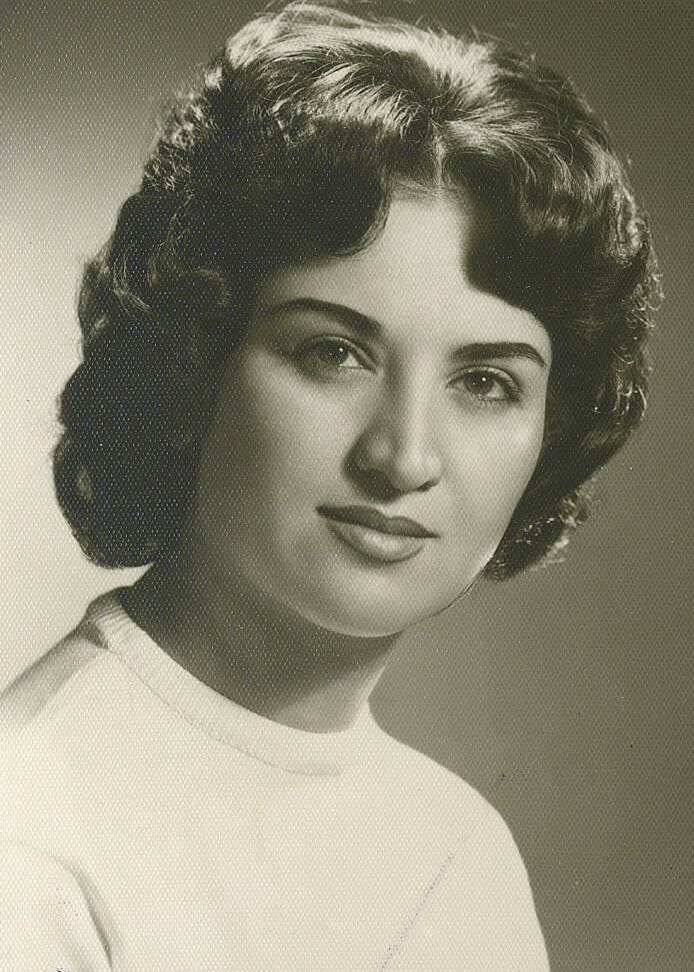
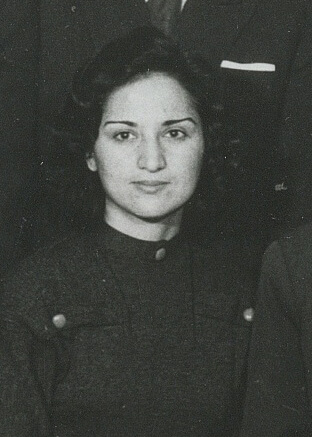
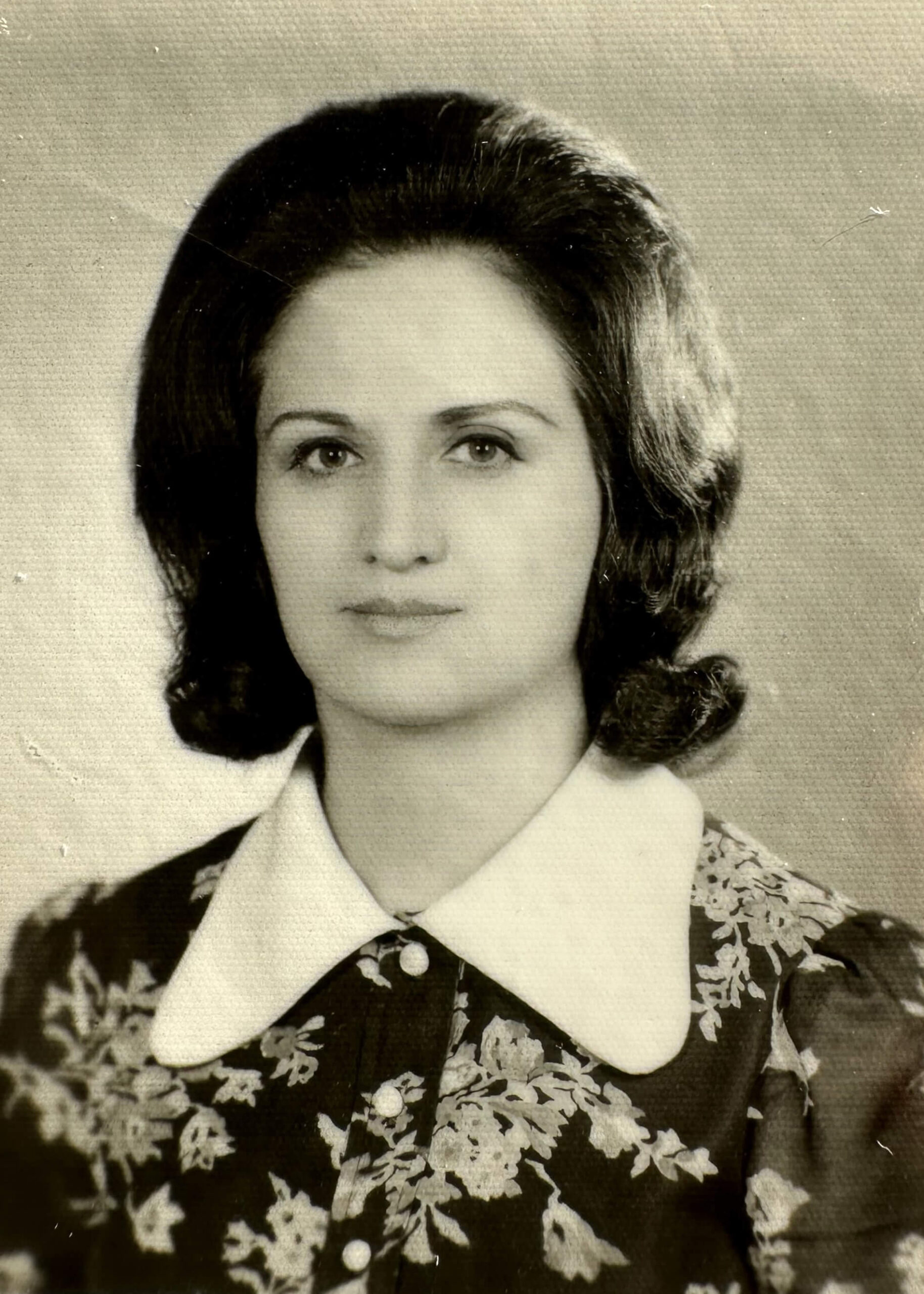
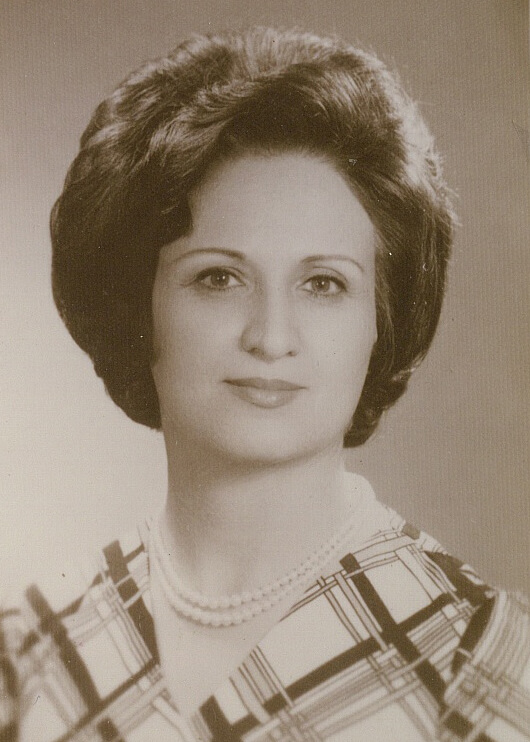
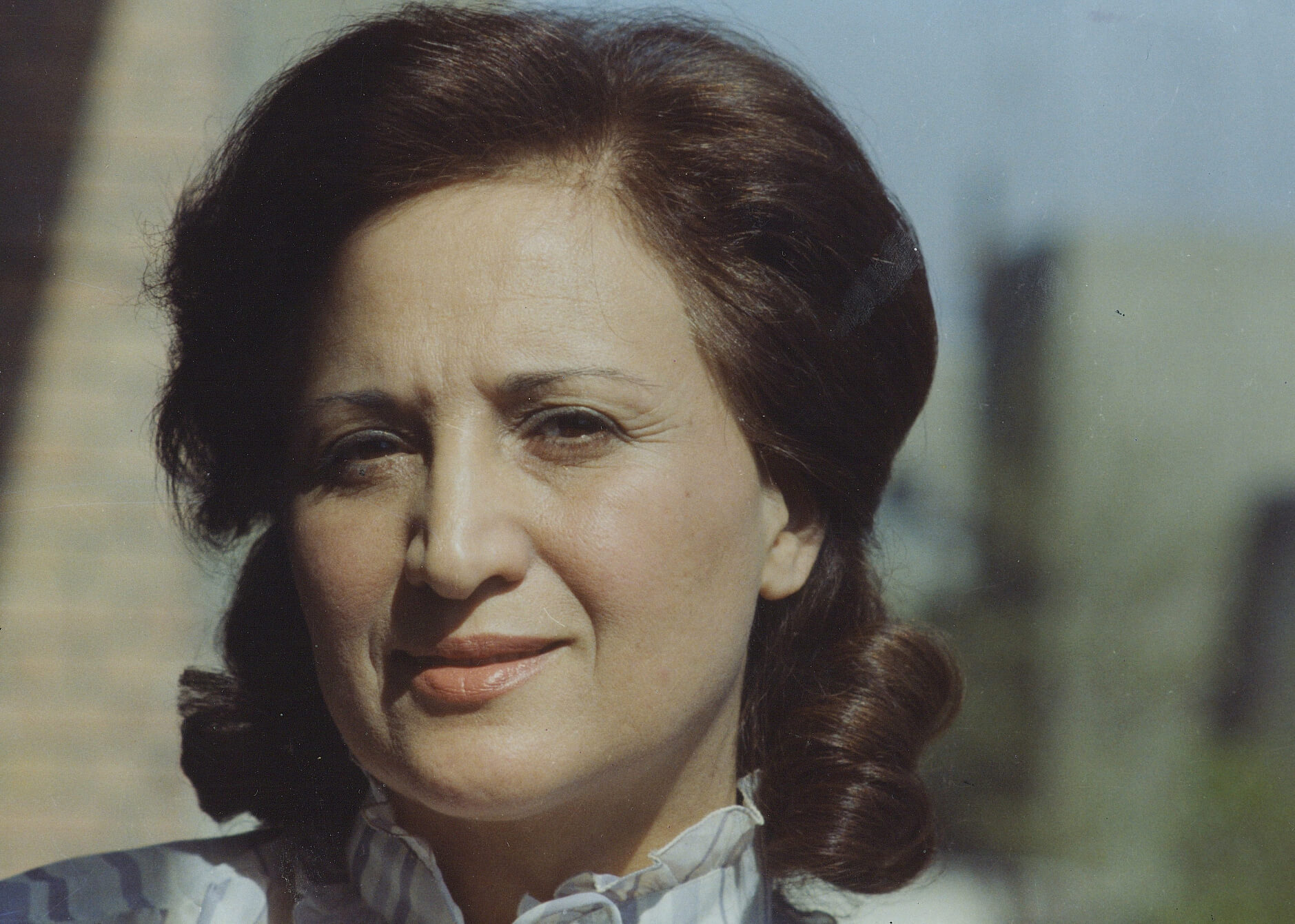
August 8, 1929, saw the birth of a truly remarkable Individual. Although Zhinus was born into an exceptional Persian family that was highly educated, forward thinking and intellectual, she was destined to outshine everyone. She belongs to an elite group of select few who have left their mark on the country, its sciences, and its people.
She graduated from Tehran University with a Bachelor’s and then a Master’s of Science in Physics, becoming the first female graduate student in her field in Iran. Subsequently, she got involved in meteorology and atmospheric research and spent the next few decades building an organization that would rival most technologically advanced countries. She achieved much of this quite early and was already the front leader in the field while in her 30s. Zhinus represented Iran in many international conferences and published a comprehensive record of the climate of the country in a book called “The Climate Atlas of Iran.” She had directed and led the research for this momentous publication. Her reputation for undeviating honesty, keen intelligence, visionary planning and hard work eventually made her the director of the organization with several thousand employees. She never underestimated the value of education, establishing and becoming the first director of a postgraduate meteorologic college. She founded the Iranian Journal of Meteorology. Zhinus turned her own experience with gender-based prejudice into a desire for educating and training women and promoted advanced learning among Iranian women. That she achieved much of these in her 30s is even more remarkable.
Her passion for serving humanity found its expression with service as a Bahá’í. She became involved at local and soon national Bahá’í administration. Because of her keen interest in advancement of women, she and her friends travelled extensively throughout the country helping with education of women and putting together programs, classes and training sessions for both men and women to help achieve equality. She was, as such, very much loved across the land.
After the Islamic revolution, all her Bahá’í activities became infused with a much higher level of risk. She had a very well-known national profile and was a high-ranking officer of the Bahá’í Community. Despite all of this, she traveled extensively throughout the country, and usually using public transportation. She would meet with friends around the country, encourage them, give them moral support, bring news to them and take news and information and assessment of various Bahá’í communities back to the National Spiritual Assembly (the national governing body of Bahá’ís). She even met Bahá’ís inside the prison. In the middle of this, her husband, who was a member of the National Assembly was abducted by elements of the Government with all its members, never to be found again. She then became a member of the subsequent National Assembly, and this heavy task was added to her growing duties. This she did without any complaint. In her letters and phone calls, she expressed a sense of gratitude for being able to serve and a deep feeling of contentment.
During this time there was heavy fighting between Iran and Iraq. There was lots of rationing, food and gasoline were in short supply and people were given ration cards. Many sent their own gasoline coupons to her to enable her to travel and meet friends. It was as if the whole country wanted her to be able to do what she did. And off she went.
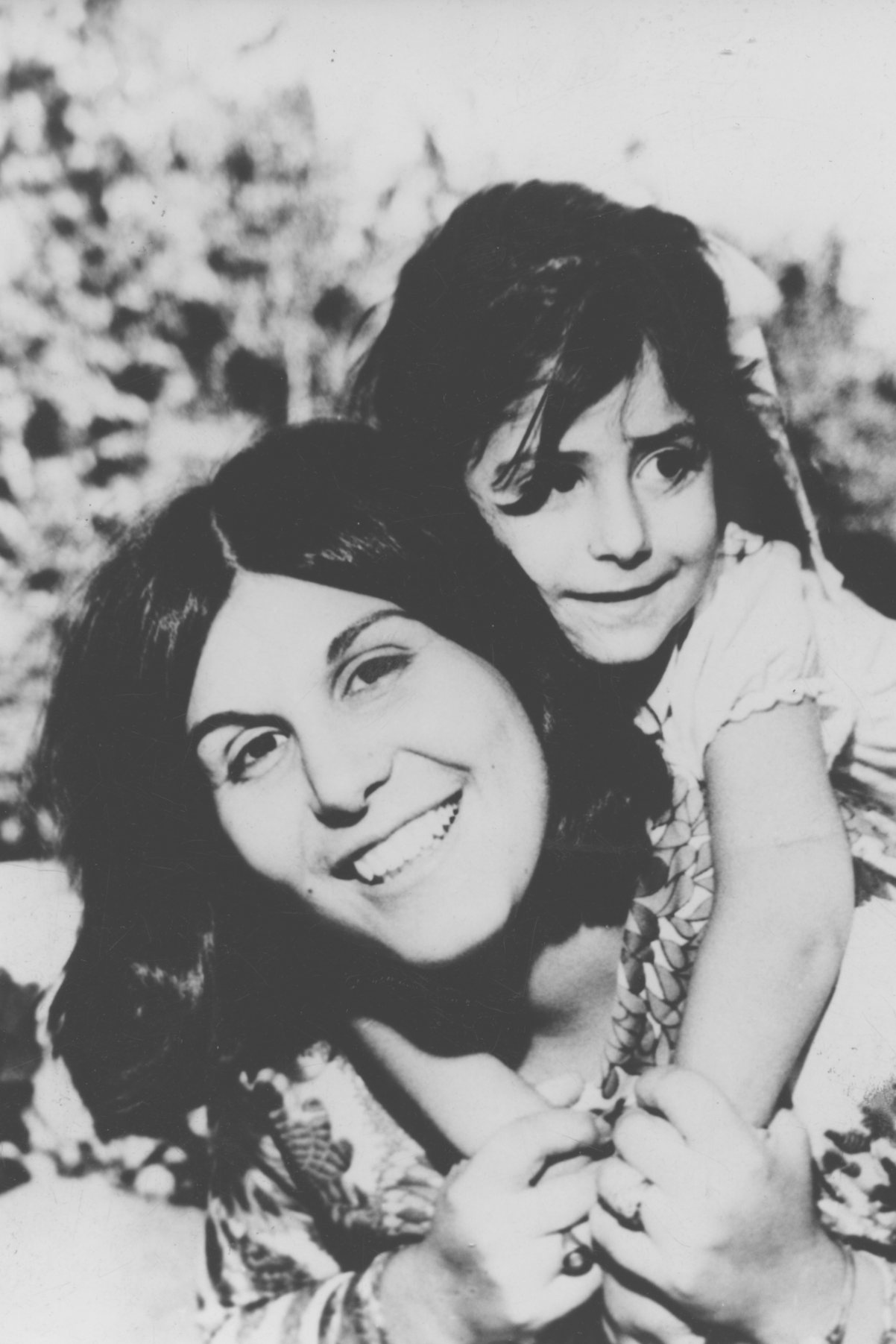
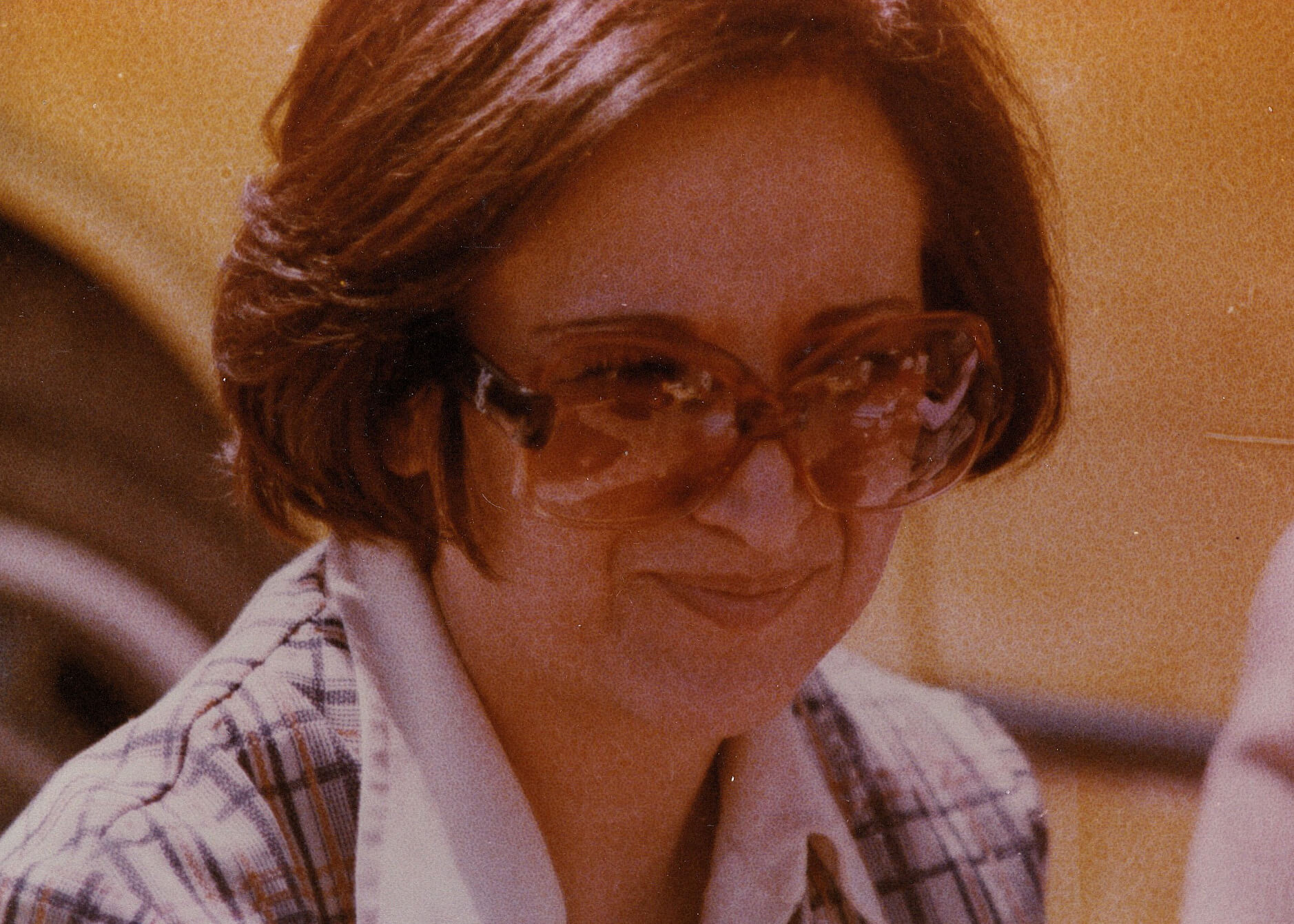
Zhinus was exceptionally beautiful and queenlike in her manners and presence. You were automatically drawn to her, you wanted to be near her, to grab her attention. And in her case, her physical beauty made her patient and kind. She was kind beyond belief and genuinely cared about anyone who crossed her path, being at ease with everyone on the planet without regard to rank,
education, status or financial power. She never showed irritation or impatience and made everyone feel special.
Another of the characteristics of Zhinus was her unflappable sense of calm even when confronted with difficulties of monumental proportion. She displayed such strength and fortitude that was legendary, and people knew this. They would leave all their issues and problems and situations and difficulties with her, and she would listen, empathize, make suggestions and do anything within her power to solve their problems. As the persecution under the Islamic Republic increased in intensity, the stakes got higher. Yet, everyone counted on her keen wisdom, levelheaded judgment and an unmatched perspective. And she did all of this without ever compromising with what she felt were the highest standards of ethics and behavior.
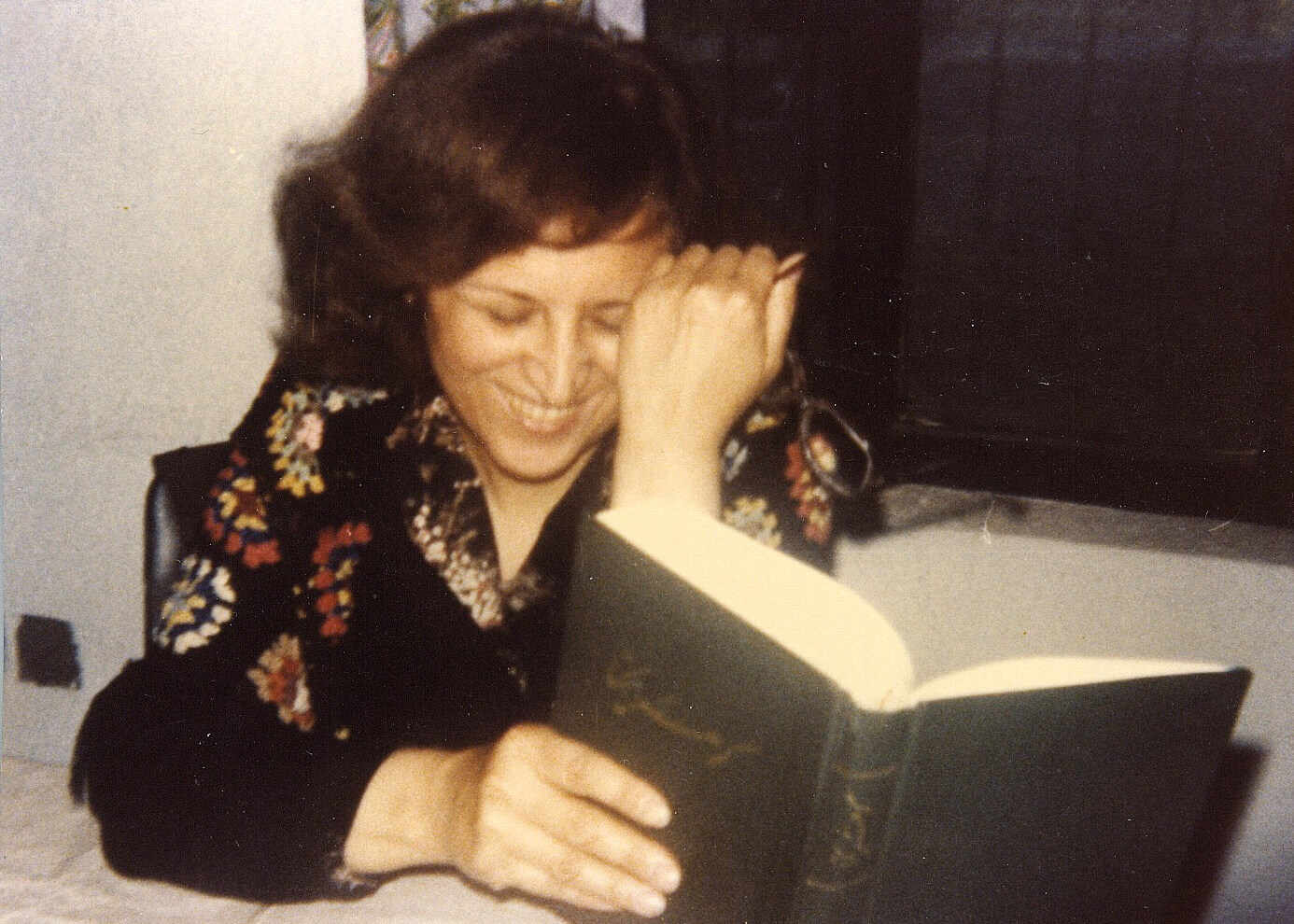
Another lesson learned from Zhinus is about “power.” She was probably one of the most powerful women in the country, but she never came across as powerful in a traditional (often male dominated) sense. She directed, orchestrated, mobilized and led large groups of people of varying degrees of expertise and knowledge. She had an extremely clear sense of direction about her projects and goals. She would freely consult and seek others’ opinions and ideas. But she did this with such kindness and gentleness and with her beautiful smile on her face that everyone loved.
She missed her kids, and she missed them terribly. In her letters, despite the strength, courage and dedication of this unique woman to serve her country and people, despite the feelings of gladness and serenity with which she worked, and woven throughout, one sees evidence of a mother missing her children and being worried about an abducted husband. Maybe that is what made her so amazing. She was this superwoman of extraordinary strength but with deep emotions, real human ones inside.
On her last phone call, her daughter Mona told her about her dream of Zhinus as a young woman. Zhinus correctly interpreted this as her time on this planet was coming to an end. The day after this phone call she and her colleagues were arrested by the Revolutionary Guards and, two weeks later, put to death.
Zhinus Nemat Mahmoudi, even though seemingly a product of a backward, prejudiced and violent country, shines brightly as an incredible beacon of light shedding her luster on that repressive and oppressive land and its peoples. Despite being constantly under attack for her ideas, for her belief system, her intelligence and integrity and her gender, she nevertheless spent the days of her life serving that country and its people. She worked to bring a better life, a more open mindset and a kinder and gentler vision to society. It is ironic that in many countries around the globe, she would have been celebrated and praised and appreciated, and in Iran, precisely for these reasons, she was killed.

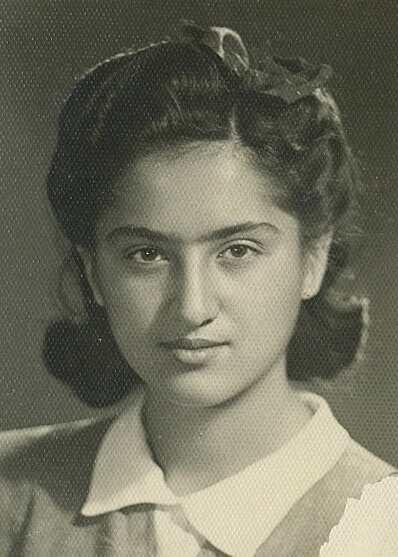

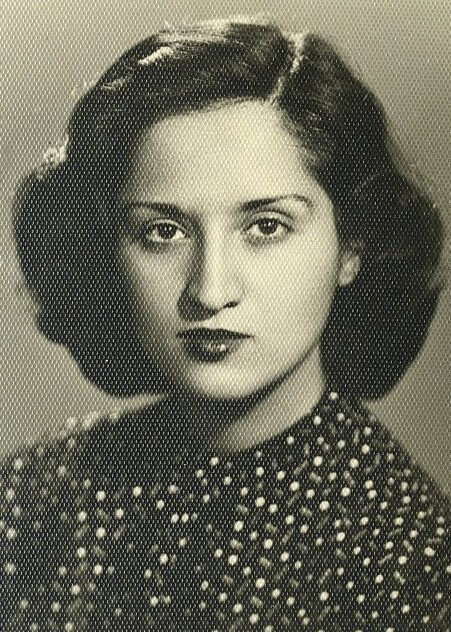









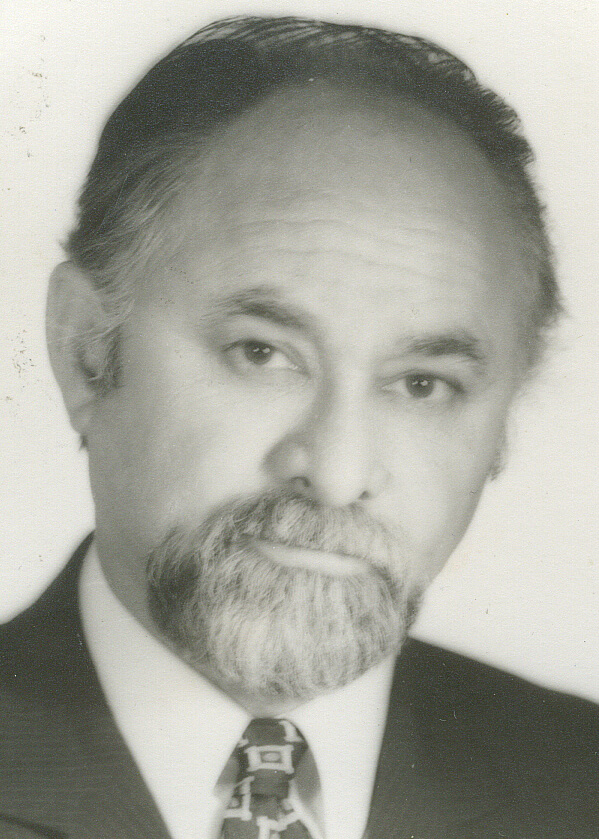
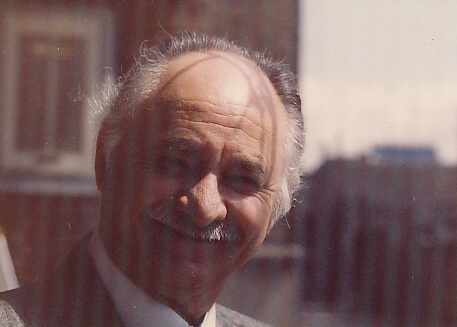
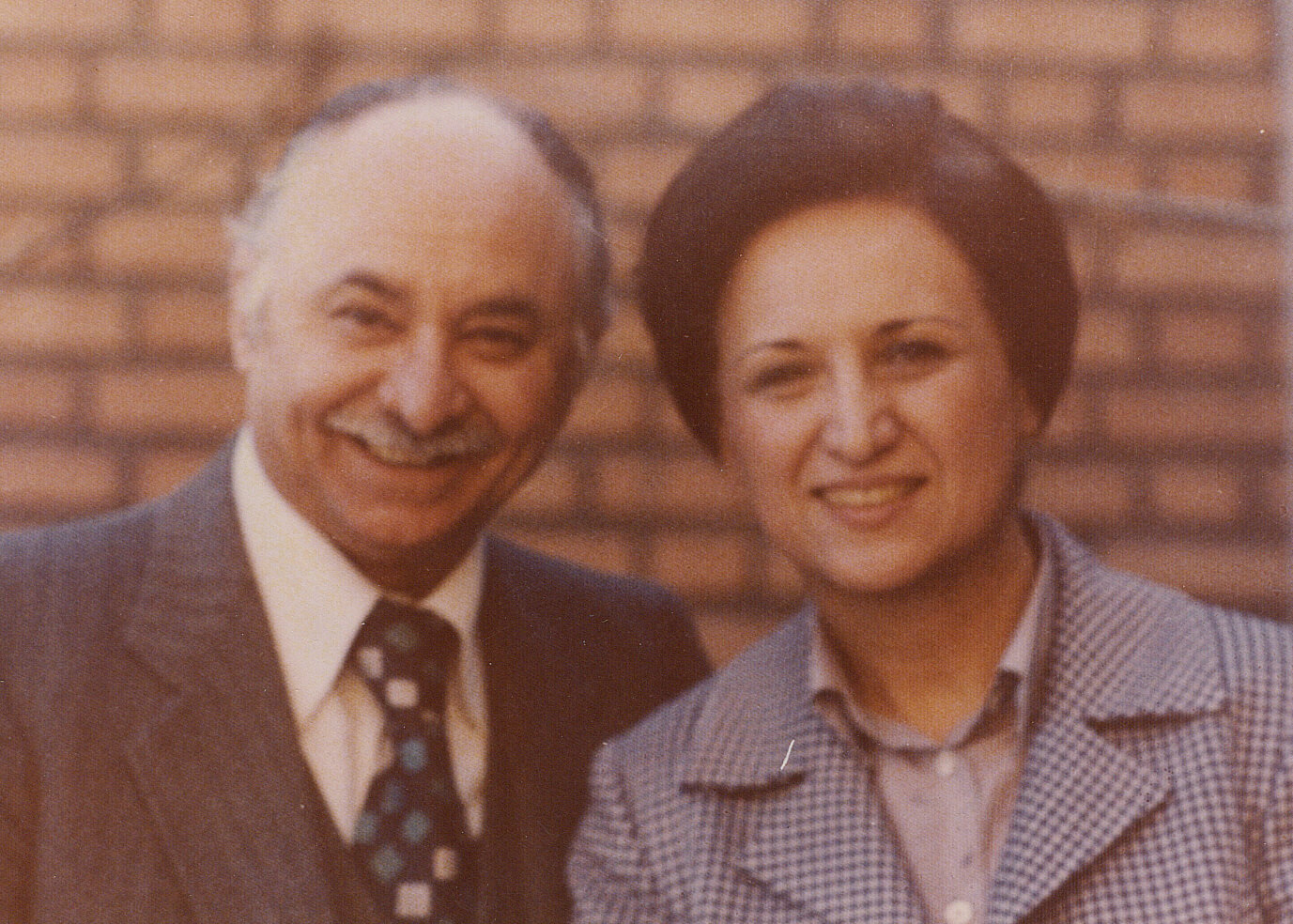
HOUSHANG MAHMOUDI
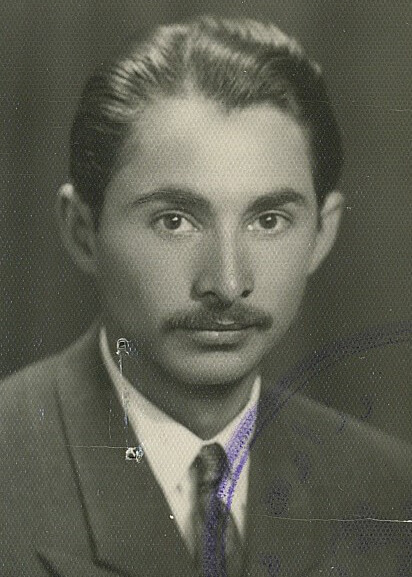
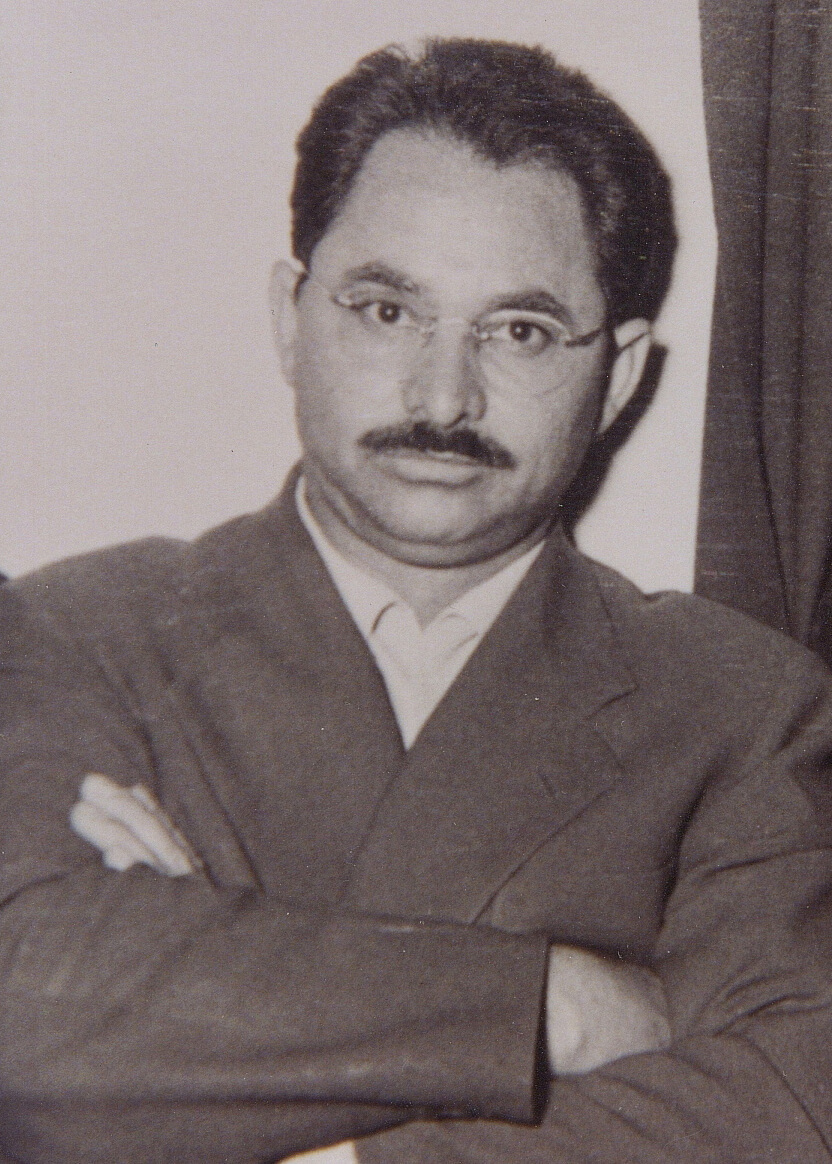
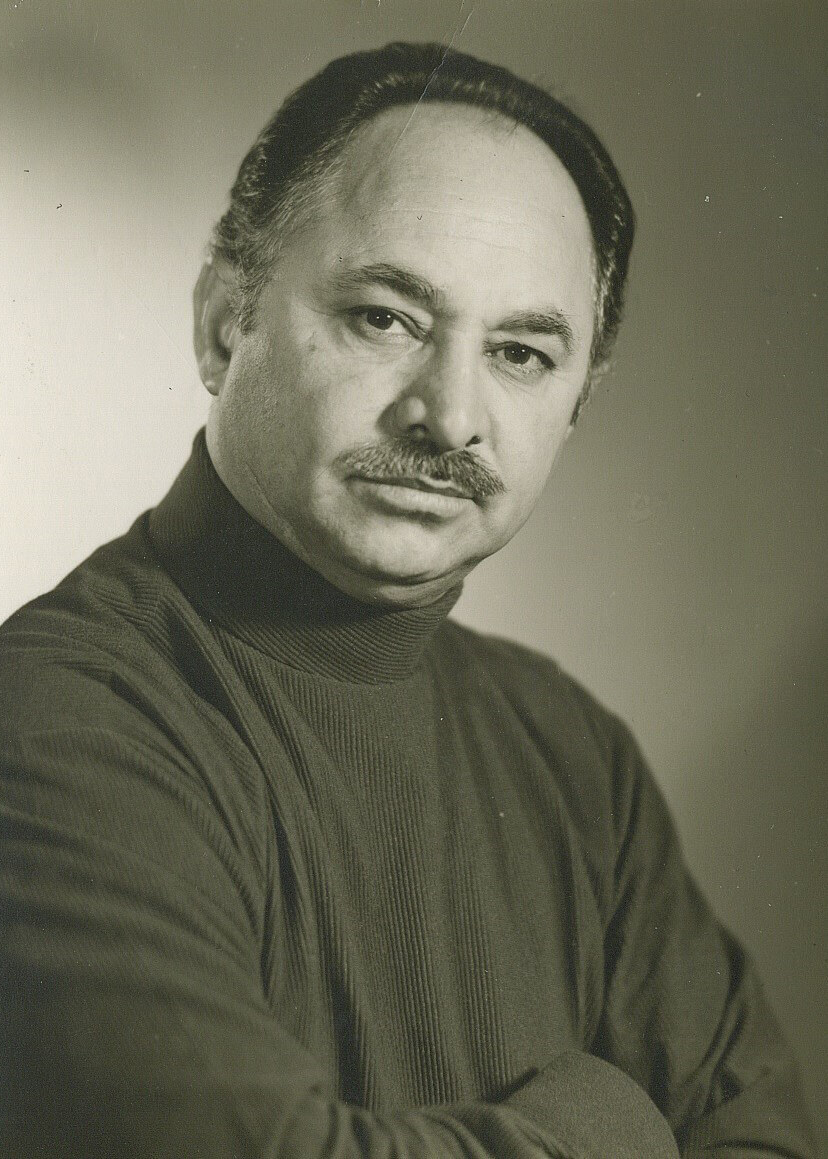
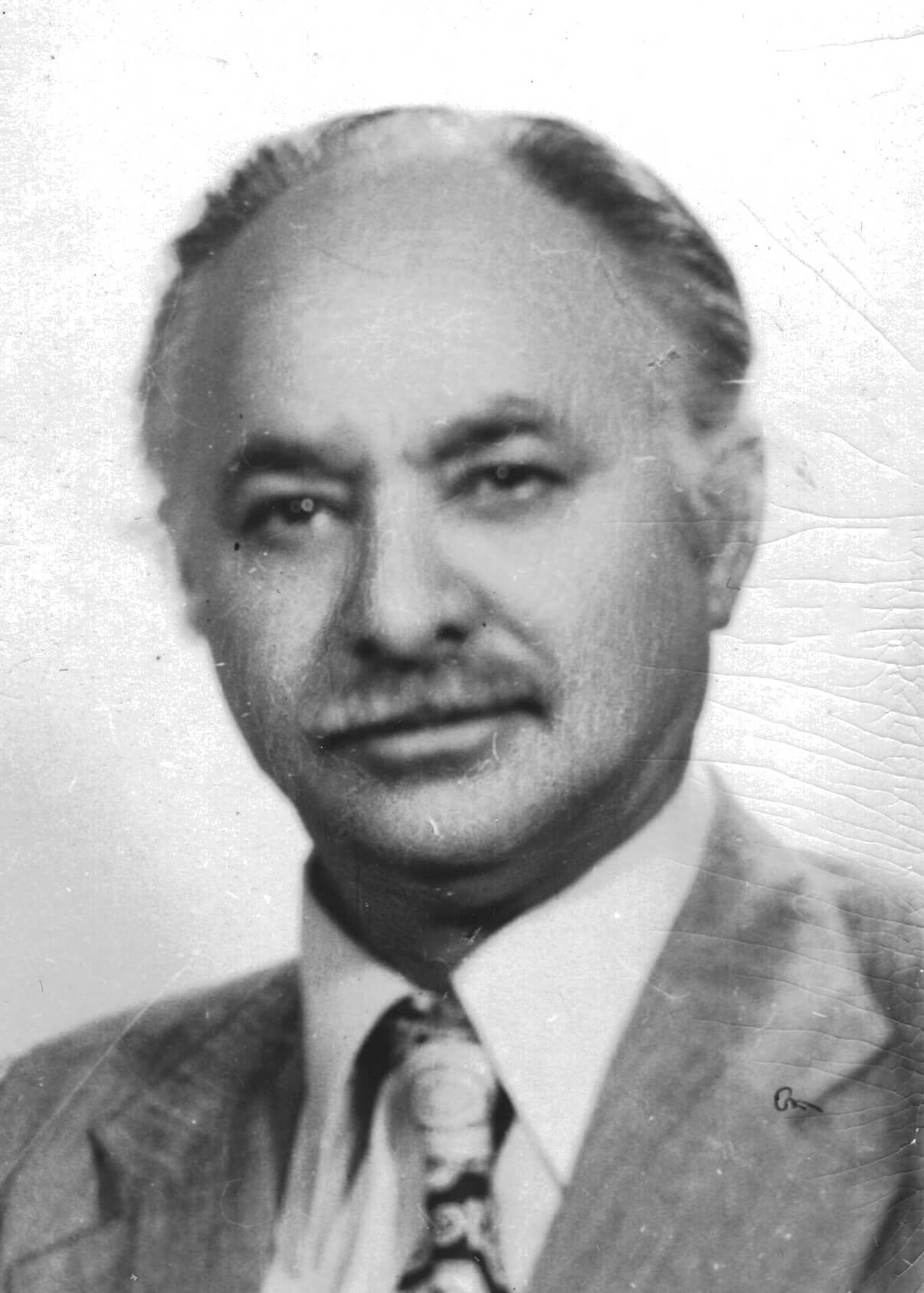
Houshang Mahmoudi
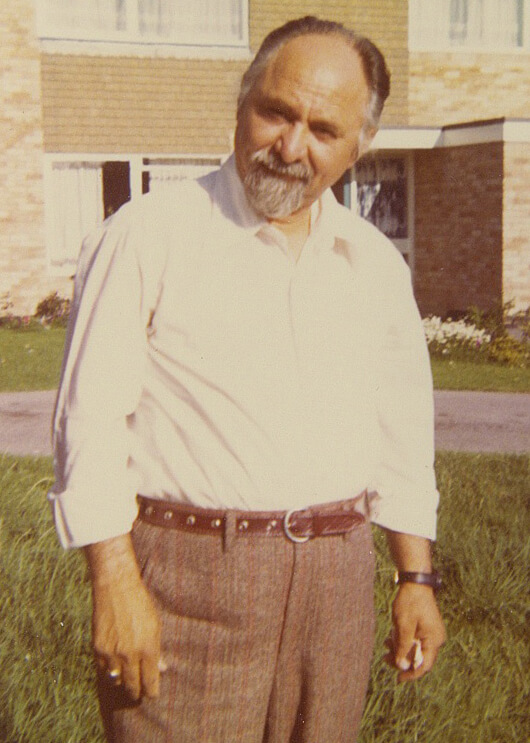
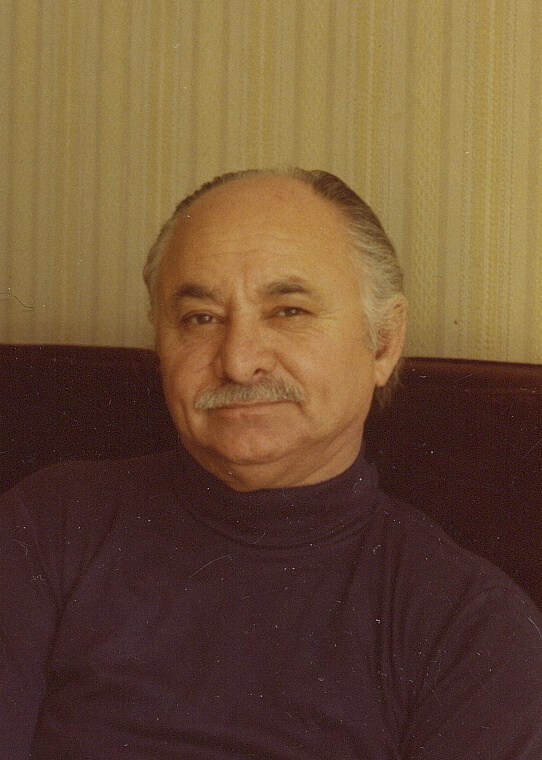
Houshang Mahmoudi was truly a remarkable Renaissance man. He was born on 24 January 1927, the third son, in a country notable for its backwardness, bigotry, deeply ingrained prejudices, and ignorance, with little value for education, cultural and artistic expressions. In many ways, Houshang’s life was spent steadfastly battling these falsehoods.
Houshang grew up with a deep love and yearning for the spirituality he found in the Bahá’í Faith and Its Writings. In his youth, he invented a secret language and script to write various Bahá’í Writings so he could carry them with himself to school, avoiding the risk of being found out and receiving a thorough beating at the hand of fanatical Muslim teachers.
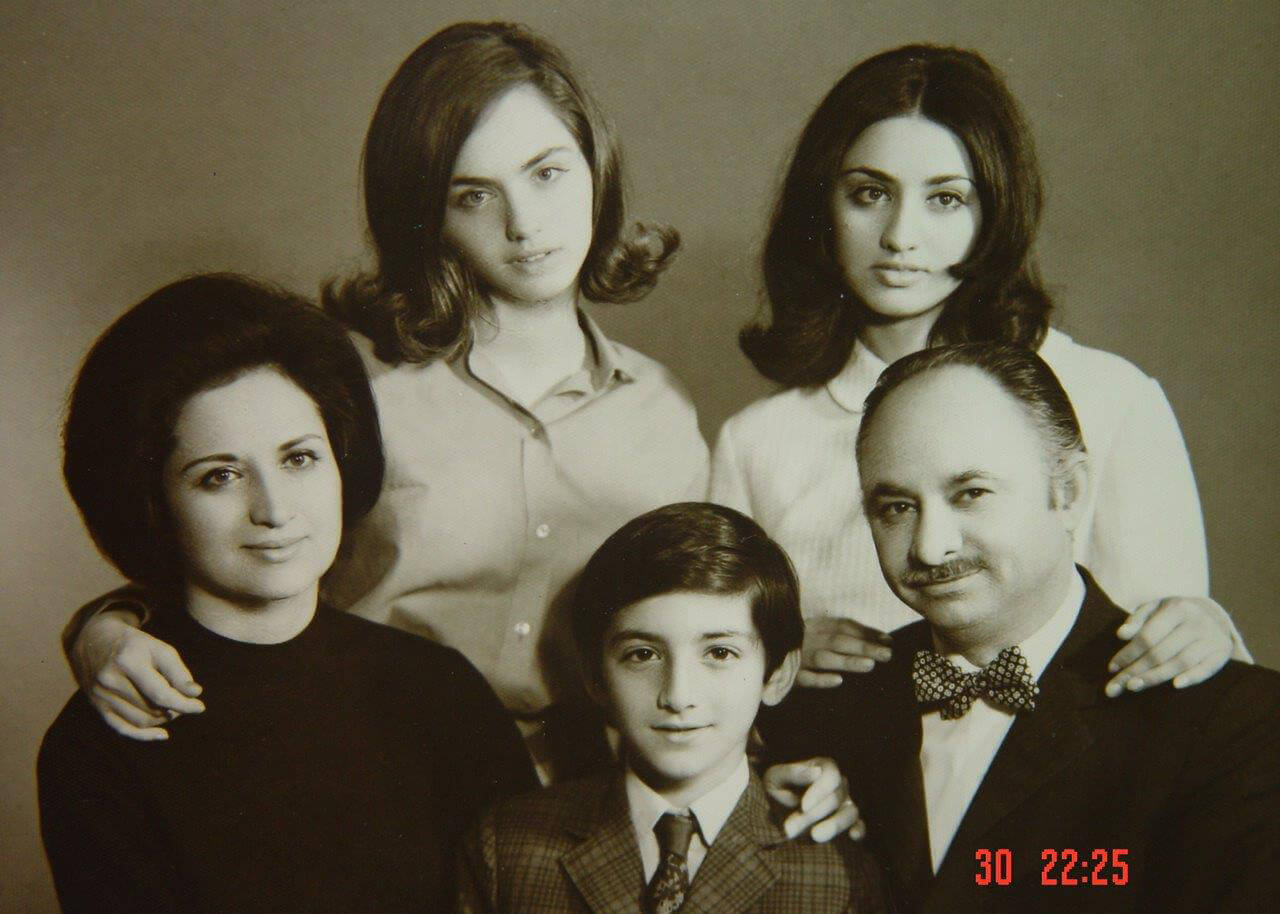
As a young man, he fell deeply in love with Zhinus, a love that he would often talk about throughout his life. They had such a reciprocal relationship with each other. Without Zhinus, there would be no Houshang Mahmoudi. Likewise, Zhinus Mahmoudi would have had a near impossible time scaling the incredible heights she did without having Houshang. At the beginning, they struggled financially. Zhinus was studying physics and Houshang was studying law but on top of his studies, he found a job at a factory to support them, some 15-20 km away from where they lived. He biked there and back every day. Here is a Middle Eastern man breaking all those centuries worth of barriers and prejudices, promoting the education and advancement of his wife. And he did this with characteristic ease all his life.
He was creative beyond bounds, and because he was also not moderate in anything, this combination made him the busiest person around. At one point he had FOUR jobs. He lived the equivalent of ten lives in his allotted time on this earth as if he knew that his time would be shorter than many. He had no unused time. He drove fast and even walked very fast. Despite not having a second to breathe, he wrote poetry, keeping a notebook with him in his car where he would add lines to it when stopped at a red light. This volume of poems was then named “Behind the Red Light.”
One of his admirable qualities is that he never gave up learning. If a skill was needed to help him achieve what he needed, he learned it. He was also the ever consummate teacher and trainer of the next generation. He was generous to a fault and had so little care for material existence. He never put himself at the center of anything, including material wealth. He did not want anything for himself even in death.
He started a progressive elementary school with a Muslim partner because as a Bahá’í he was not allowed a license to own and operate a school. He was one of the key individuals helping the first television station in Iran and by necessity, did everything there. Before Mr. Rogers in the west, he started a famous child-centered educational TV program where he would address them as “my dear children” and call them affectionate terms like “our beautiful saplings.” In a
country where children were oppressed, ignored and often abused, this was revolutionary. He showed them love and attention and highlighted the importance of educating and training future generations. There is an entire generation of Iranian children who grew up with him and went to bed with his voice, calling him “Father dearest.” He was such a celebrity.
He started a documentary film company recording developing infrastructure across the country, but his seminal contribution came with the filming of Bahá’í holy sites in Iran, such as the House of the Báb, the House of Bahá’u’lláh and the Síyáh Chál. As the director of the audiovisual department of the Iranian Bahá’í National Assembly, he oversaw the production and distribution of audiocassettes with Bahá’í chants (often his voice and other famous voices), readings, lectures, educational materials, letters and directives from Bahá’í Administration. Thousands of copies of these cassettes were then prepared and distributed around the country. After the Islamic Revolution the copying process became fraught with danger and had to be done in secret, but the tapes became a source of connection and inspiration among the Bahá’ís of the country, helping them stay steadfast and connected.
He was a gifted writer and historian. He had written tens of thousands of pages on diverse topics and in various formats so that his right thumb was permanently curved backwards from the constant pressure of the pen. His handwriting though was exceptionally exquisite and beautiful.
His seminal work he wrote for the occasion of the 50th anniversary of passing of ‘Abdu’l-Bahá, the son of the founder of the Bahá’í Faith. He was in love with the unique and magnanimous person of ‘Abdu’l-Bahá and for him everything was about ‘Abdu’l-Bahá. The title of this comprehensive two-volume book is characteristically self-effacing. He called it “A Few Notes about ‘Abdu’l-Bahá.” He was finishing a four-volume book on the history of the persecution of the beleaguered Bahá’í community of Iran when he himself fell a victim to these.
Houshang was known for the depth and breadth of his emotions. At any gathering, you would find people circling around him to hear his jokes and be entertained with his endless wit and humor. He laughed with his whole body. He would crack jokes and poke fun at everything, but he saved his sharpest wit for those who were haughty and arrogant. He made it a mission to go out of his way to deflate these.
His powerful voice was one of his most distinguishing features. It was warm and inviting and had such depth that it would penetrate one’s soul. It appealed to everyone. When he got excited, his voice would rise and fill the room to the point of causing the walls, windows and doors to vibrate. Being a quintessential historian of the Bahá’í Faith, he would give lectures and share moving stories about early Bahá’í history only to pause to sob about a sad or moving part. Obviously, the audience often joined in.
Houshang served on the National Spiritual Assembly of the Bahá’ís of Iran and would pen letters and statements in defense of the Bahá’ís. After his death, Zhinus would write, “His intense emotions when expressing the injustices and describing the grandeur of the Faith cried out from the pages of the letters and statements of the Assembly in such wise that the oppressed friends devoured these words, passing them from hand to hand and be comforted, having found their own hearts’ hidden cries in them.”
He wanted even his burial place to be unknown, he had so little interest in self. A few years earlier, he had prayed for divine assistance that he would be the first to go because he did not want to see anyone he loved go before him. It surprised no one that this is exactly what he did.











Shiva Mahmoudi Assadu’lláh Zadeh
Shiva Mahmoudi Assadu’lláh Zadeh
Even though originally from a family notable for deep roots in the Bahá’í Faith and learning, Shiva was destined to shine as a bright star amidst them. She was born and raised in a country known for its repression of women, surrounded by a population steeped in religious prejudice and bias. Yet, she managed to rise above it all, dazzling those who knew her with her beautiful grace, kindness and endless love for life. In many ways, she was the epitome of a young woman decades ahead of her time and a worthy example for future generations.
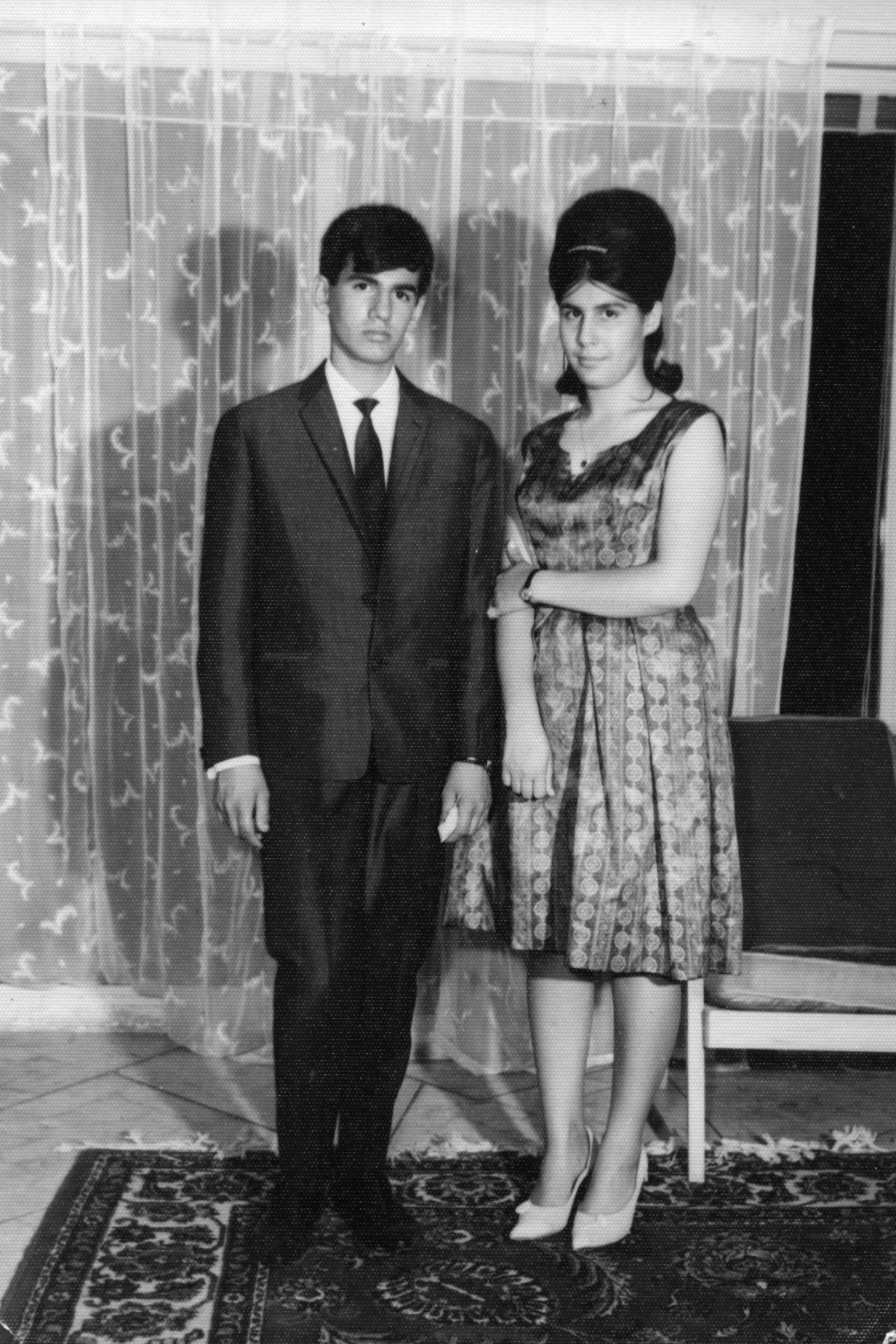
Shiva Mahmoudi was born in Tehran on 13 July 1945 into a Bahá’í family who trace their ancestors to the dawn of the Faith. She was the eldest granddaughter of ‘Abdu’l-Hossain and Shah Jahan Mahmoudi. Due to her father’s work, the family moved to southern Iran, first settling in Ardabíl, then Shahrúd, and finally Bandar Shahpúr, where the weather is uncomfortably warm and humid. After spending her childhood there, the family returned to Tehran, allowing Shiva to pursue her education and love for learning. She eagerly studied mathematics in high school and developed a deep love for architecture. Alas, the universe had a different path in mind for her, and she never got to pursue the degree that she wanted. Yet, her love for architecture could not be forgotten, and she would use her travels around the globe to study various types of architectural styles. She loved travelling and seeing various countries and peoples, and even during her short life span, she was able to visit four continents.
As a young student, her teachers recognized that her intelligence and behavior gave her an unmatched ability to influence her classmates. Thus, in middle school Shiva was selected as an assistant to help those students who were struggling academically. Under her guidance, these students excelled and became distinguished in their own right. Her love for youth and her innate capacity to work with them became a defining aspect of her identity, something she continued until the end of her days. She also stayed in touch with her childhood teachers and would visit them and their families every time she travelled to the south of the country.
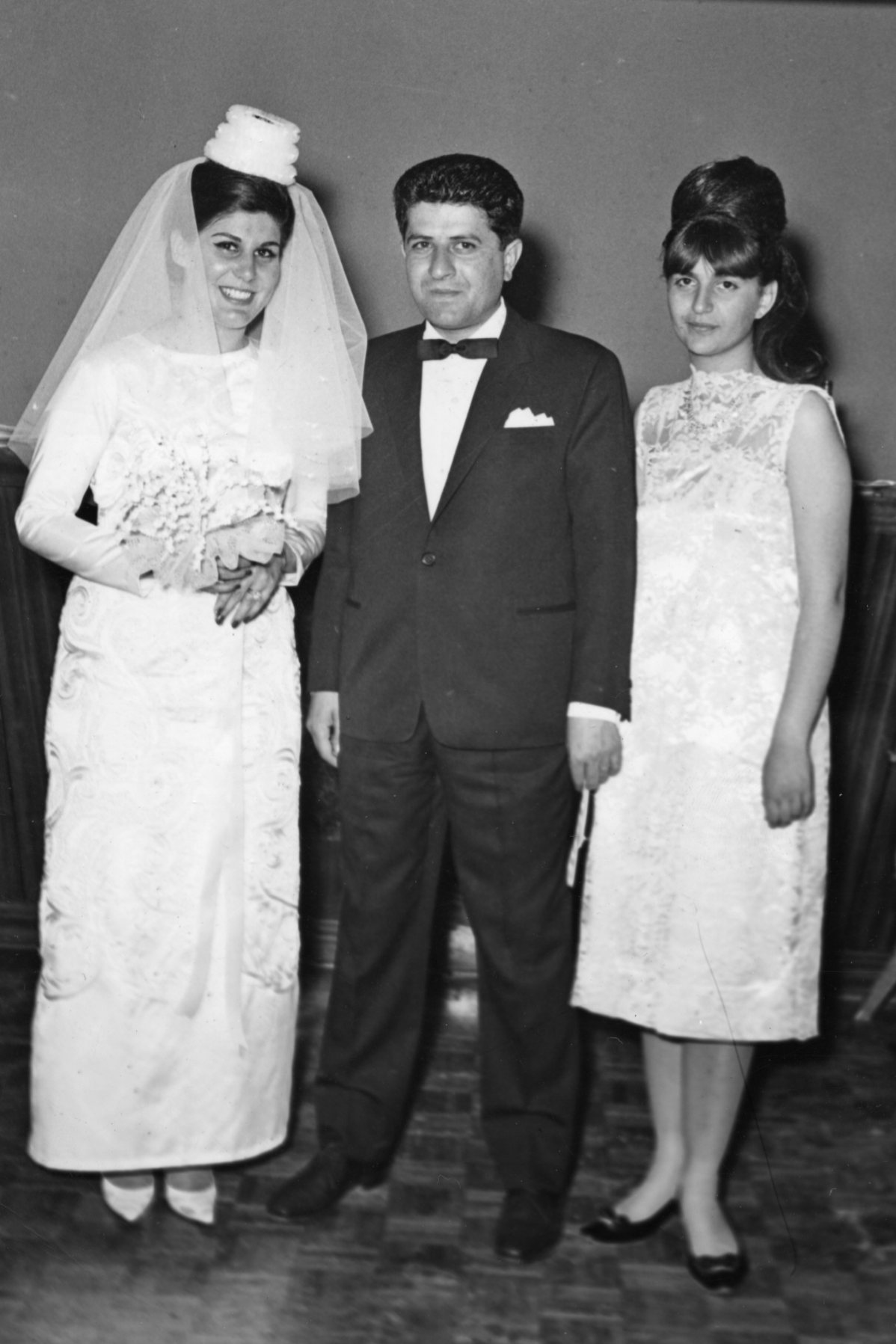
Shiva entered university but because of the exigencies of the country she could only study economics. During these years she met and married Parviz Assadu’lláh Zadeh Zanjani. Together they have a daughter Maria and a son Rámtin. Although very busy raising two young children, she thoroughly enjoyed music and played the accordion. Her artistic talents were quite varied and showed up in vastly different arenas such as writing beautiful calligraphy and growing colorful and stunning plants and flowers. To get her plants to grow better she would play music for them and talk to them, and they responded by blossoming beautifully. She was also an exquisite cook.
Shiva’s greatest calling, however, centered around her devotion to and involvement with the Bahá’í Faith. She had a deep and profound love for Bahá’u’lláh, and she channeled this love into acts of service. Her fluency in Persian, Arabic and English allowed her to become a deep student of Bahá’í Writings, and she became a steadfast student of classes given by renowned scholars of the Faith. Since she had a special love for the youth, she was entrusted with their spiritual development and engagement. She was appointed to the National Youth Committee of Iran overseeing young Bahá’ís nationwide. At one point she became an assistant to her aunt, Zhinus Mahmoudi, with a portfolio focused on the youth. Simultaneously, she became a member of one of the Bahá’í area councils in Tehran. One of her favorite activities was travelling to remote parts of the country for the encouragement and spiritual upliftment of friends.
In July 1981, the whole family visited Shiva’s father-in-law, Mr. Husayn Assadu’lláh Zadeh, who had been imprisoned for months in Tabriz. He was a devoted Bahá’í and a long-time member of the Spiritual Assembly of the Bahá’ís of Tabriz. This was the last time the family saw their patriarch, as he was executed for his beliefs on 29 July 1981. Shiva always had great respect, love and admiration for her father-in-law and would later author a comprehensive report on the life and sacrifices of this remarkable man.
During her time on the area council she served with another well-known Bahá’í friend, Behrooz Sana’i. Behrooz and Shiva, both were youth liaisons and so they shared this passion. Behrooz was imprisoned in 1980 and then brutally tortured and executed for his beliefs in Bahá’u’lláh. This was a pivotal point in Shiva’s spiritual life. She and Behrooz’s brother went to the prison and collected his body and took him to the Bahá’í cemetery where he was buried. Shiva then took his blood-soaked clothes and brought them home. To maintain discretion, she blocked out her balcony from the outside view with white sheets, and then with reverence and love, hand-washed the clothes in the tub. Maria, her daughter, remembers sitting next to her as the tub was filled with crimson blood and Shiva, normally strong and unmovable as a mountain, shedding silent tears of anguish. The washed clothes were then dried with reverence, folded and packed and —along with some garments that remained bloodied— sent to the Bahá’í World Centre for safe keeping as a memento of the ultimate sacrifice of a friend and colleague.
After this event, Shiva had a dream of Behrooz. In her dream, bullets were flying out of his heart and penetrating her own. This continued for some time. She correctly foresaw that her own time would come as well. Maria recalls how her mother used to repeatedly warn and remind her that she had a limited time here on this planet and that Maria should be prepared, she should be strong.
In August 1981 she was elected to the Spiritual Assembly of the Bahá’ís of Tehran overseeing the entire Bahá’í community there with more than 50,000 believers. These were very difficult months for the Bahá’í community of Iran and the friends in Tehran fared no better. There was constant news of arrests and executions of some the more prominent members of the Bahá’í community, and Shiva did her best to prepare her family for the inevitable future. She made sure Maria understood that after she was gone, there would be many friends around the world who would support and help her. She emphasized the importance of being well educated – especially to her daughter – and of service and, most importantly, faith and love for Bahá’u’lláh and His teachings.
Maria remembers that a few weeks before her arrest there was a noticeable change in her mother, even in the manner she walked. To her daughter, it felt like Shiva was already in the world beyond. Where there had been certainty before, there was now certitude. There was no fear or anxiety but a heightened sense of what needed to be done. On 1 November 1981, the Revolutionary Guard arrested and imprisoned Shiva and five other members of the Tehran assembly. In an act of solidarity, their hostess, Mrs. Amírkiá Baqá, an accomplished concert pianist, was also imprisoned alongside her and was to remain Shiva’s companion during their imprisonment. The seven of them were executed on 4 January 1982. Shiva was 37 years old and Maria 15. The family was not told about the executions for 2 weeks and in an act of further humiliation, they were buried in a mass grave alongside others who were executed at the same time. An anonymous person called from the prison and barked at a shocked and bewildered Maria, ‘we killed your prisoner,’ and brusquely hung up.
3 days before her execution, Maria was alone at home when the phone rang. She remembers this conversation vividly. It was her mother calling from Evin prison. In her characteristic and calm strength, Shiva had wanted to give Maria her final set of instructions. She made sure that Maria would remain strong and steadfast, and that she should look after others and, in particular, her younger brother. This was the last conversation anyone had with Shiva.
As our future generations of young people take on the process of building a civilization that is advanced, peaceful and progressive, they will need role models to help them navigate this complicated and thorny path. In the person of Shiva Mahmoudi Assadu’lláh Zadeh they will find a young woman who was intelligent and full of curiosity, artistic and talented, dedicated to service to humanity and bursting with love for all—vibrant and lively but completely devoted to the task she had been entrusted with. She was a woman on a mission, so steadfastly loyal to the principles of her Faith that her love for truth and Bahá’u’lláh’s teachings could not be silenced by imprisonment or death. In her wake lies potent inspiration for people across generations to live a devoted, full, and courageous life in the service of humankind and in service to the Faith.